February 1, 2026
AI, Automation, and the Reality of Modern Freight Management
Artificial intelligence is no longer a future concept reserved for tech labs and pilot programs. AI supply chain tools are already reshaping how freight is planned, monitored, and optimized, especially in the B2B sector, where precision, accountability, and continuity matter more than novelty. For experienced non-asset-based carriers, AI represents an opportunity to improve decision-making without removing the professionals who make transportation work.
The most valuable contribution of AI is its ability to process vast amounts of historical and real-time data. Demand forecasting, lane optimization, capacity planning, and exception monitoring all benefit from advanced analytics. These systems help carriers anticipate seasonal spikes, identify bottlenecks, and respond faster to disruptions. What AI does not replace is judgment. Freight still moves through real roads, real facilities, and real people who must make decisions when conditions change.
There has been understandable concern that automation will eliminate transportation jobs. That concern ignores the operational reality of freight. Logistics remains a people-driven business, particularly in complex B2B environments where accountability and adaptability are non-negotiable. As digital tools expand, the need for trained professionals increases rather than disappears.
Why Fully Unsupervised Trucking Is Not a Practical Model
The idea of a fully automated freight ecosystem often sounds efficient on paper. In practice, unsupervised trucking introduces risk that most businesses are unwilling to accept. Transportation is not a closed system. Weather, traffic incidents, mechanical failures, regulatory inspections, and security issues require immediate human response.
While automation has improved vehicle safety systems and route planning, a self-driving truck cannot independently manage an accident scene, communicate effectively with authorities, or adapt to unexpected dock conditions. Human drivers and operations teams provide situational awareness that technology cannot reliably replicate.
From a non-asset-based carrier perspective, this is precisely where value is delivered. Experienced providers coordinate qualified drivers, vetted carriers, and responsive operations teams that can intervene in real time. Professional oversight remains essential at every stage of freight movement, from pickup to final delivery.
Loading and Unloading Still Depend on Human Expertise
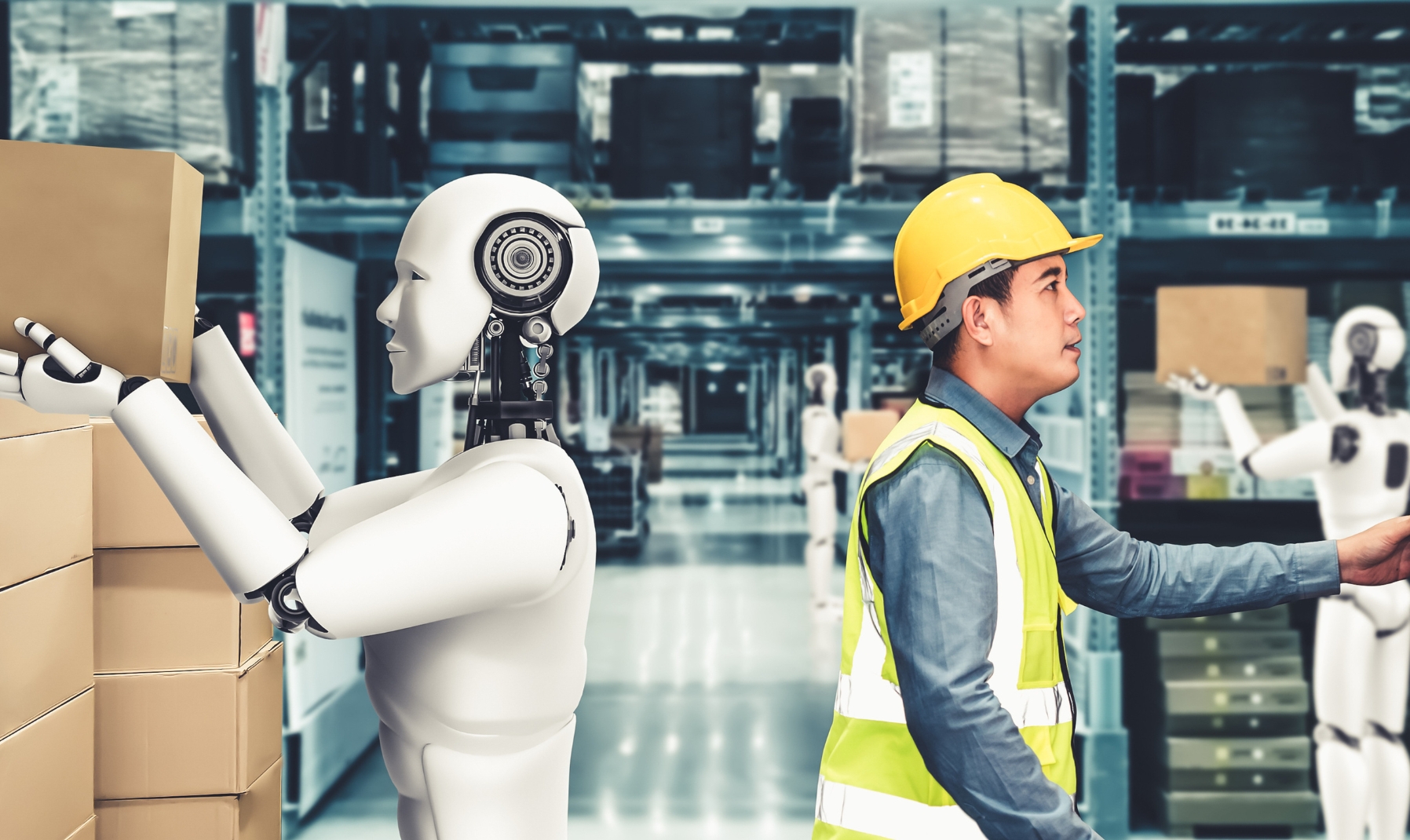
Warehousing and distribution centers have seen impressive gains in automation, yet loading and unloading remain highly variable, judgment-driven processes. Unlike manufacturing lines, freight handling involves different pallet configurations, freight classes, packaging materials, and dock conditions on every shipment.
Robotics can assist with repetitive tasks, but full automation without human supervision introduces safety and quality risks. Employees are still required to assess load stability, verify documentation, manage exceptions, and adapt to space constraints. Human teams also perform higher-value functions such as damage prevention, compliance checks, and customized handling.
For B2B shippers, these details matter. Missed instructions or improper loading can lead to claims, delays, and damaged relationships. This is why non-asset-based carriers emphasize experienced warehouse partners and trained personnel rather than fully robotic docks.
Chatbots in Logistics: Useful Tools With Clear Limits
The rapid adoption of ChatGPT in logistics has created both excitement and confusion. AI-driven communication tools can streamline routine interactions and reduce administrative workload when used correctly. ChatGPT for supply chain operations is most effective when it supports, rather than replaces, human service teams.
Common uses include:
- Providing shipment status updates
- Directing inquiries to the correct department
- Sharing business hours and facility locations
- Initiating basic sales conversations
These functions save time for both customers and operations staff. However, chatbot customer service has clear limitations in freight management. Transportation issues are rarely binary. Delays, accessorial disputes, detention concerns, and service failures require context, negotiation, and accountability.
When customers encounter problems, repetitive automated responses often increase frustration rather than resolve it. This is especially true in the B2B space, where shipments are tied to production schedules, contractual obligations, and financial consequences.
For that reason, AI chatbot customer service works best as a front-line filter, not a replacement for experienced professionals. Successful logistics providers combine AI efficiency with direct human access when it matters most.
The Reality of Self-Driving Trucks and Autonomous Trucking
Autonomous technology continues to advance, but self-driving truck deployment at scale remains limited by regulation, infrastructure, and operational complexity. Controlled environments such as ports, yards, or specific highway corridors may see expanded use first. Long-haul, mixed traffic routes present a far greater challenge.
Autonomous trucking research progresses unevenly across regions and use cases. Legal frameworks are still evolving, insurance models are unresolved, and public acceptance remains cautious. For B2B shippers, reliability and liability matter more than novelty.
Most industry experts agree that human drivers will remain in the cab for the foreseeable future, supported by advanced driver assistance systems rather than replaced by them. This hybrid approach improves safety while preserving accountability.
Non-asset-based carriers thoroughly select partners who invest in proven technology without compromising service quality. The focus remains on cost-effectiveness, risk management, and consistent performance rather than on experimental automation.
Why the Non-Asset-Based Model Thrives in an AI-Enabled Industry
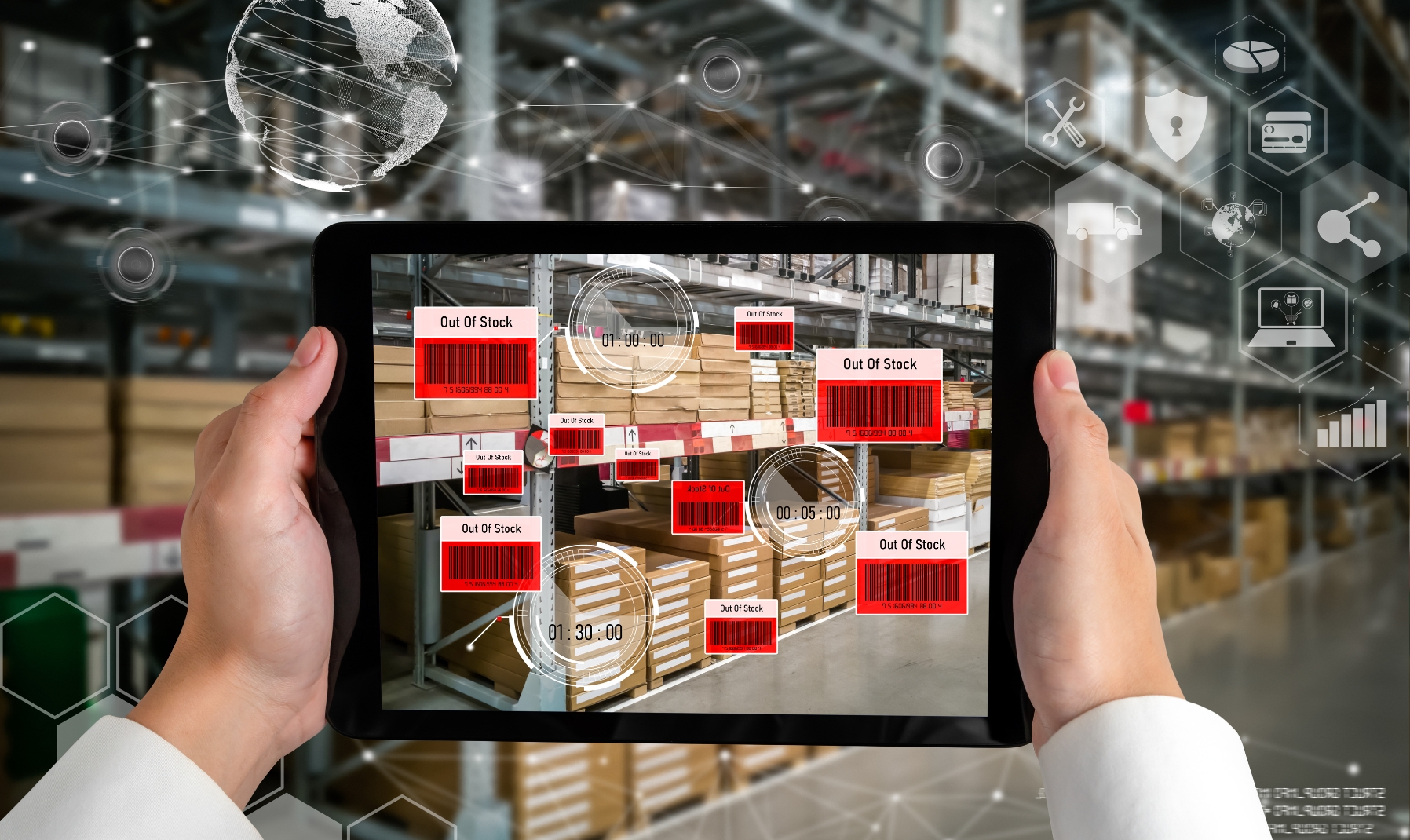
AI strengthens the non-asset-based carrier model rather than threatening it. By leveraging AI in logistics, experienced providers gain better network visibility, stronger carrier-vetting tools, and faster response times. What sets them apart is how those tools are applied.
Instead of chasing full automation, our approved carriers use AI to enhance human decision-making. Operations teams receive better data. Customers receive clearer communication. Drivers receive smarter routing and safer equipment support.
Most importantly, your freight remains in professional hands. Real people remain responsible for outcomes, relationships, and problem resolution.
Moving Forward With Confidence
Technology will continue to reshape logistics, but it will not remove the human foundation that keeps freight moving. The most successful transportation strategies balance innovation with experience.
At Last Mile Logistics, we continue to adapt, invest, and refine our approach while staying grounded in what works. AI supports our operations, but people define our service. For B2B shippers who value accountability, responsiveness, and expertise, that balance remains essential.
If you have questions about how AI fits into your freight strategy or would like to discuss an RFP, our team is ready to help.