Solar energy logistics is now a defining factor in the performance of renewable projects. As utility-scale and commercial solar development accelerates across the nation, the movement of photovoltaic equipment has become one of the most risk-sensitive segments of modern industrial transportation. Solar panels, inverters, combiner boxes, and racking systems are fragile, serialized, and capital-intensive. Their condition at installation directly affects system output, warranty validity, and long-term return on investment.
Last Mile Logistics supports this rapidly expanding industry through specialized, white-glove transportation programs designed for renewable infrastructure. Our non-asset-based carrier network serves manufacturers, EPC (Engineering, Procurement, and Construction) firms, and developers that require consistent handling discipline across large project volumes.
The Structure of Modern Solar Panel Logistics
The Structure of Modern Solar Panel Logistics
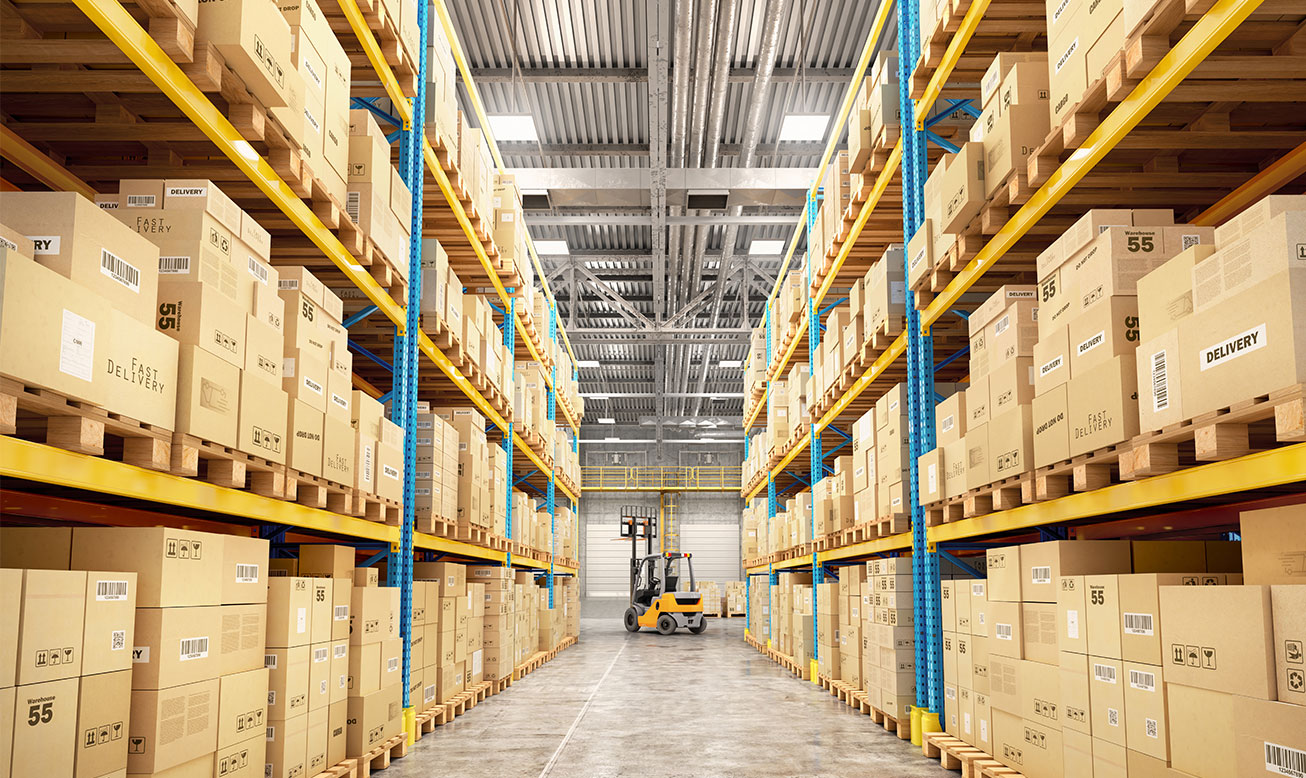
Solar panel logistics involves far more than moving pallets from ports to job sites. Equipment often originates in Asia, Europe, and Latin America, enters through coastal gateways, and then moves inland through consolidation hubs before final delivery. Each transfer point introduces vibration exposure, documentation risk, and theft vulnerability.
Last Mile Logistics manages these transitions through structured freight planning that aligns carrier selection, cross-dock control, and scheduled site releases under a single compliance framework. This protects solar panels during shipping from damage and documentation failures while maintaining predictable delivery windows.
Solar Power Transport and Construction Sequencing
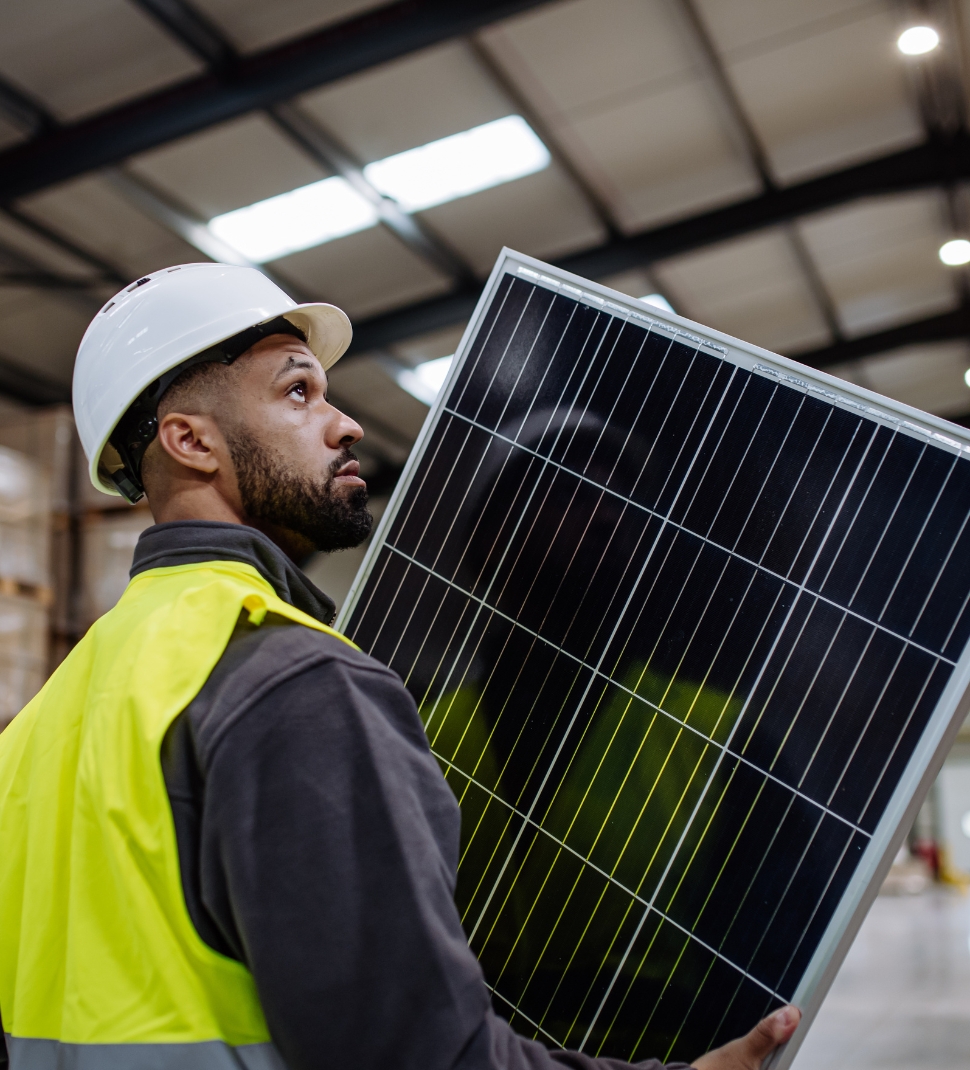
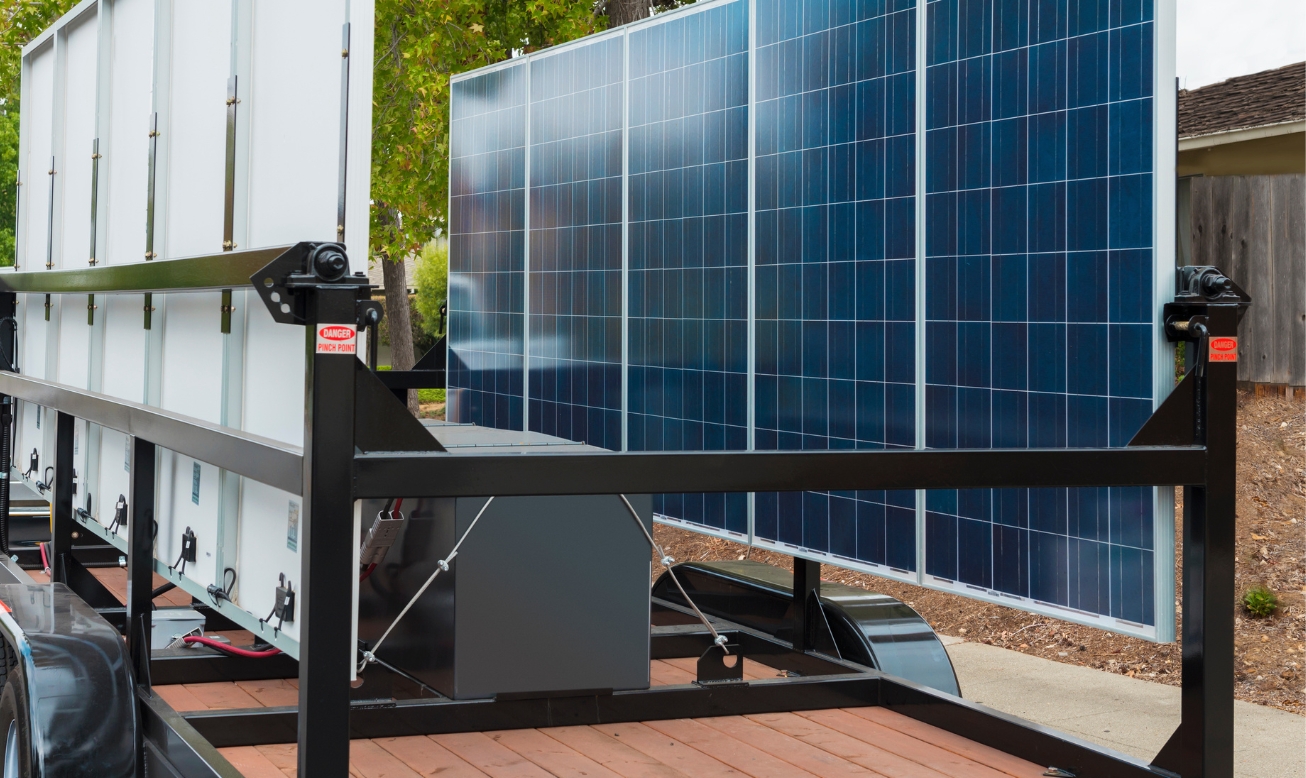
Solar power transport must align precisely with construction phases. Utility projects rely on just-in-time releases to avoid site congestion, labor delays, and unsecured material storage.
Our operations teams build delivery calendars that synchronize port drayage, regional staging, and final mile deployment. This allows solar panel transportation to flow in measured waves that match racking installation, electrical assembly, and commissioning schedules. The result is reduced laydown risk and tighter cost control.
White-Glove Handling and Risk Mitigation
Transporting solar energy equipment requires damage prevention, not reactive claims processing. Micro fractures, moisture intrusion, and impact damage often go unnoticed until systems underperform months later.
Last Mile Logistics enforces solar-specific handling standards that include:
These measures significantly reduce hidden losses, exposure to theft, and warranty disputes while protecting the operational life of installed systems.
Solar energy logistics often involve extended storage and complex customs procedures. Panels and electrical assemblies may be imported months ahead of site readiness.
Our partner warehousing network provides climate-controlled storage, serialized inventory tracking, and access to bonded and free trade zones. This supports compliant solar energy supply chain management programs while controlling duty timing and preserving manufacturer warranty conditions.
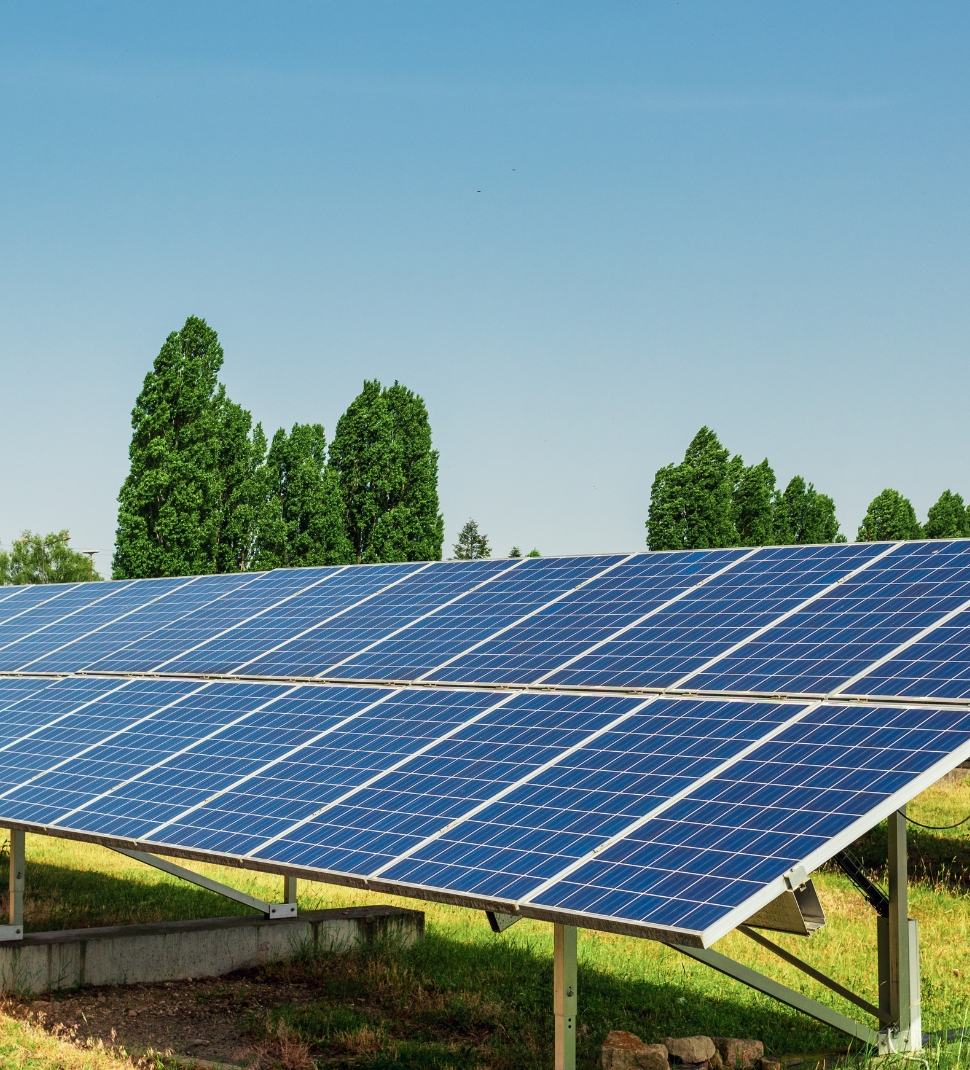
Solar Cell Supply Chain Visibility
Solar Cell Supply Chain Visibility
The solar cell supply chain is international, regulated, and documentation-heavy. Delays at any port can halt multi-million dollar construction schedules.
Last Mile Logistics manages classification alignment, customs coordination, and shipment audit protocols that keep international solar freight flowing without release interruptions. Centralized visibility across inbound lanes enables EPC firms and developers to access real-time project-readiness metrics.
Capacity Scaling for the Renewable Build Cycle
Capacity Scaling for the Renewable Build Cycle
The renewable build cycle demands transportation networks that expand and contract without service erosion. Solar deployment occurs in large project waves that require sudden increases in capacity.
Our non-asset-based carrier model enables Last Mile Logistics to rapidly scale volume while maintaining consistent standards for handling solar panels. This protects project timelines, reduces congestion risk, and supports multi-site rollout programs.
Why Last Mile Logistics for Solar Infrastructure
Why Last Mile Logistics for Solar Infrastructure
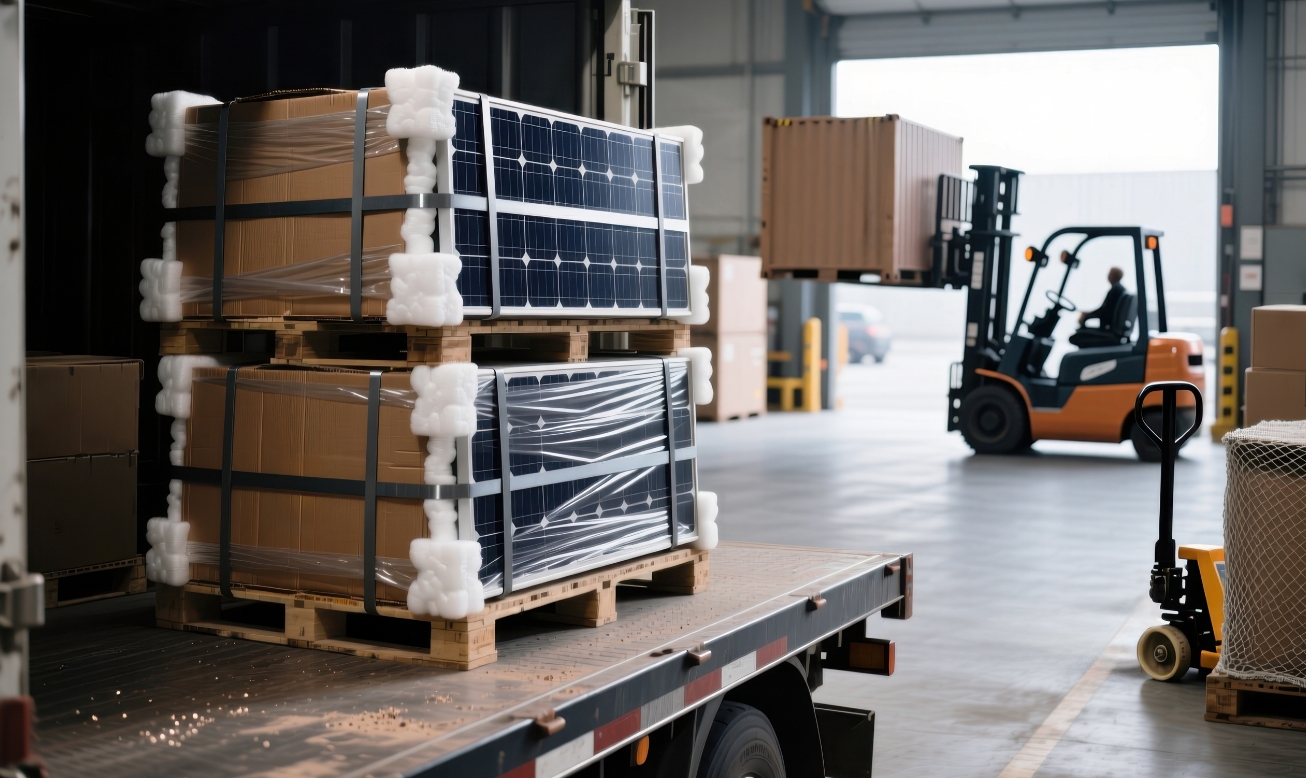
Last Mile Logistics provides the operational certainty that modern solar development requires, from port arrival to final destination.
A full-service logistics & freight management provider.
We are relentless in our efforts to exceed our customers’ tactical expectations while adding strategic value. Everyone in our organization is dedicated to service excellence and customer satisfaction. An attention to quality is the difference that our loyal family of customers has come to expect.