February 10, 2026
There’s No Offseason in Logistics
Super Bowl Sunday may feel like the finish line for football fans, but from a logistics standpoint, it is simply another checkpoint. While the confetti is still falling and the Lombardi Trophy is making its rounds, experienced logistics teams are already shifting focus to what comes next. In professional football, especially at the NFL level, logistics never stop. The end of the season only means the start of planning for the next one.
From our perspective as a seasoned non-asset-based carrier working primarily in the B2B sector, at Last Mile Logistics, we see the Super Bowl as more than just a sporting event. It is a real-world case study in NFL logistics done right, built on preparation, flexibility, and trusted partnerships.
NFL Logistics Is a Year-Round Operation
At first glance, football appears seasonal. The reality behind the scenes tells a different story. NFL logistics operates year-round, covering regular-season games, playoffs, media events, training camps, international games, and, yes, the Super Bowl. Each phase requires coordination between teams, venues, vendors, broadcasters, and sponsors.
This is where football logistics becomes far more complex than moving a few trucks on game day. Equipment schedules are locked in months ahead. Contingency plans are built for weather disruptions, last-minute roster changes, and venue-specific requirements. After the final game, equipment is inspected, stored, refurbished, and redeployed for the coming season.
For a non-asset-based carrier, this long view is essential. Success depends on understanding not only where freight needs to go, but when it needs to be ready again.
NFL Transportation Is About Precision, Not Just Speed
One of the most common questions fans ask is how do NFL teams travel? The answer is layered and highly strategic. Teams typically charter flights for players and staff, but flights alone are only one piece of the puzzle. NFL transportation also includes coordinated ground movements, security timing, and equipment transfers that must align perfectly with team schedules.
When reviewing how NFL teams travel to away games, the answer is never one-size-fits-all. Each city presents different challenges, from airport access and hotel proximity to stadium loading docks and local regulations. A non-asset-based carrier is fundamental to coordinating approved regional partners who know those markets inside and out.
This model allows teams and organizations to adjust quickly without being locked into a single fleet or lane. Flexibility is not a bonus in football logistics; it is a requirement.
Football Travels With More Than Players
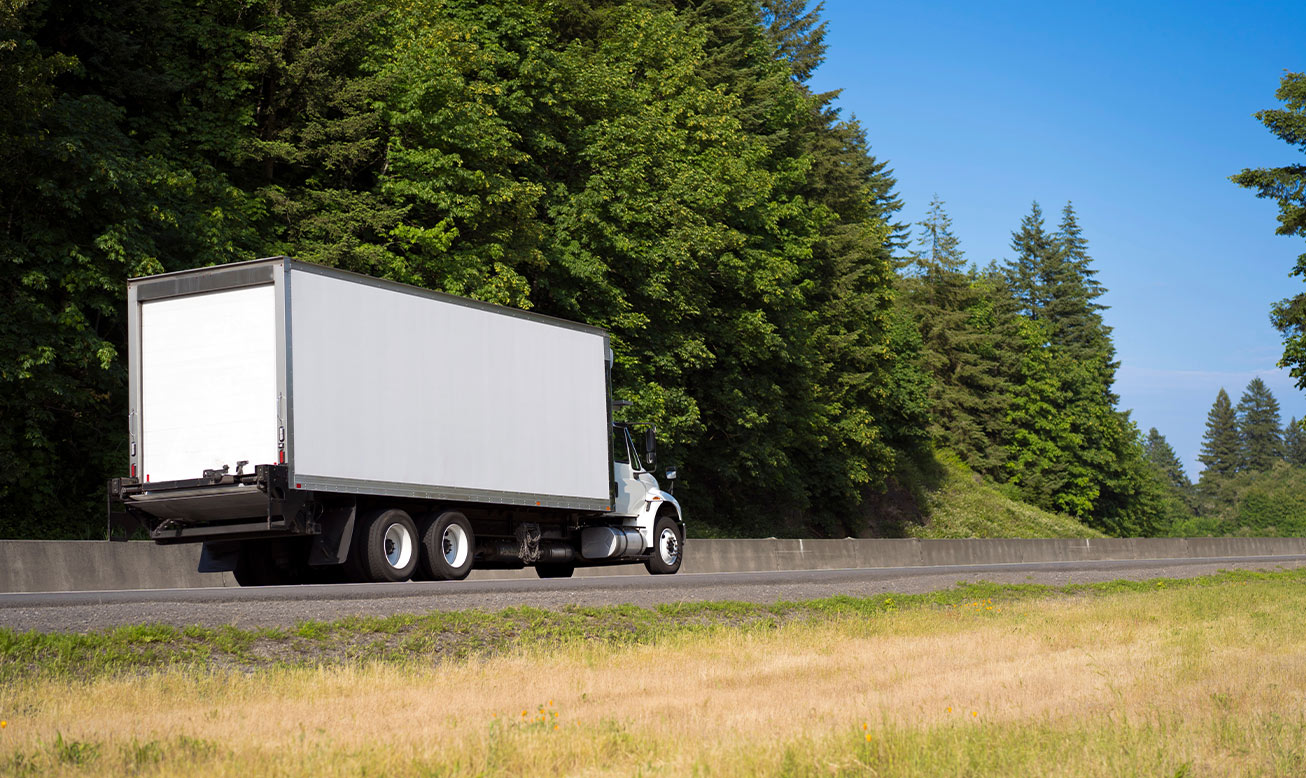
The phrase football travels might sound simple, but the reality is anything but. An NFL team moves tons of equipment each week. Helmets, pads, uniforms, training gear, medical supplies, video equipment, and recovery tools all have strict handling requirements. Add broadcast equipment, signage, fan experience installations, and merchandise, and the scope grows fast.
NFL shipping demands accuracy and accountability. A delayed pallet or misplaced crate can disrupt practices, media obligations, or game-day readiness. Our model excels here by matching each shipment with the right mode, partner, and timing window, rather than forcing freight into a fixed system.
Because we are not tied to owned assets, we can scale shipments up or down based on the event, whether it is a regular-season game or the largest sporting event of the year.
The Super Bowl Is the Ultimate Football Trip
Every football trip during the season matters, but none compares to the Super Bowl. Hosting the event requires months and months of synchronized planning between the league, the host city, teams, sponsors, and media partners. Stadium builds, temporary structures, fan zones, broadcast compounds, and security infrastructure are all arriving on carefully sequenced schedules.
From a logistics perspective, the Super Bowl highlights why non-asset-based carriers thrive in high-pressure environments. Multiple transportation modes must work together, often under tight time frames and with little room for error. When plans change, and they always do, having access to a broad, trusted network makes all the difference.
Once the final whistle blows, the work continues. Tear-down, return shipments, storage, and redeployment all begin immediately. For logistics professionals, the Super Bowl ending is not a pause. It is a pivot.
Why the Non-Asset-Based Model Wins in Football Logistics
From years of hands-on experience, the advantages of this transportation model are clear.
- 1
Flexibility allows rapid response to schedule changes, weather events, or unexpected needs.
- 2
Scalability supports everything from weekly road games to full-scale championship events.
- 3
Reliability comes from long-standing relationships with vetted carriers who understand the stakes.
In NFL logistics, mistakes are visible and costly. A non-asset-based carrier reduces risk by selecting the right partner for each leg, rather than forcing every move through the same equipment.
This approach mirrors how successful football teams operate. They adapt, adjust, and prepare relentlessly
There Truly Is No Offseason in Logistics
When the season ends, preparation begins again. Equipment cycles reset. Schedules are reviewed. New routes are evaluated. Lessons from the past season are applied to future planning. The end of the football season is simply the start of next year’s operations.
For those of us in logistics, this rhythm is familiar. Industries may slow down, but supply chains never fully stop. Football just makes that reality easier to see.
As fans celebrate the final score, Last Mile Logistics professionals are already focused on what comes next. Because in football and in freight, there is no offseason. So please call us so we can evaluate your transportation needs.