January 19, 2026
Better Vendors. Better Supply Chain. Better Business.
Strong vendor relationships are the backbone of any efficient supply chain. When vendors perform well, operations flow smoothly, costs stay under control, and customer expectations are met. When they do not, delays, losses, and inefficiencies follow quickly. For companies that rely on consistent transportation and delivery performance, vendor management in supply chain operations is not an administrative task. It is a strategic advantage.
For us at Last Mile Logistics, effective vendor coordination is one of the most important drivers of your business’s operational success. Here is a practical, real-world breakdown of how smart vendor management strengthens supply chains, reduces risk, and improves long-term performance.
1. Vendor Management Is the Foundation of Supply Chain Performance
Every supply chain depends on multiple moving parts working in sync. Carriers, warehouses, drivers, and service providers all play a role. Without structured vendor management in supply chain operations, even strong companies experience breakdowns.
Effective vendor management ensures:
- Clear accountability at every stage of transport
- Consistent service standards across partners
- Reliable scheduling and communication
- Reduced errors and miscommunication
When vendors are properly coordinated, businesses gain predictability. That predictability leads to better planning, fewer disruptions, and stronger customer relationships.
2. Understanding the Different Types of Vendors Matters
Common vendor categories include:
- Transportation providers
- Warehousing and fulfillment partners
- Specialized service providers
- Technology and logistics support vendors
Each category carries different risks and performance metrics. A strong logistics partner evaluates vendor capabilities before engagement and continuously monitors performance. This approach ensures that every approved vendor in the network contributes positively to the overall operation.
3. Why Managing Vendors and Service Providers Requires Experience
Managing vendors and service providers goes far beyond assigning loads or confirming schedules. It requires:
- Ongoing performance tracking
- Clear communication protocols
- Risk assessment and mitigation
- Backup planning for disruptions
As an experienced non-asset-based carrier, we act as the central coordinator, ensuring that vendors meet service expectations while maintaining operational flexibility. This structure reduces the burden on internal teams and improves consistency across shipments.
4. The Role of a Supply Chain Management Vendor
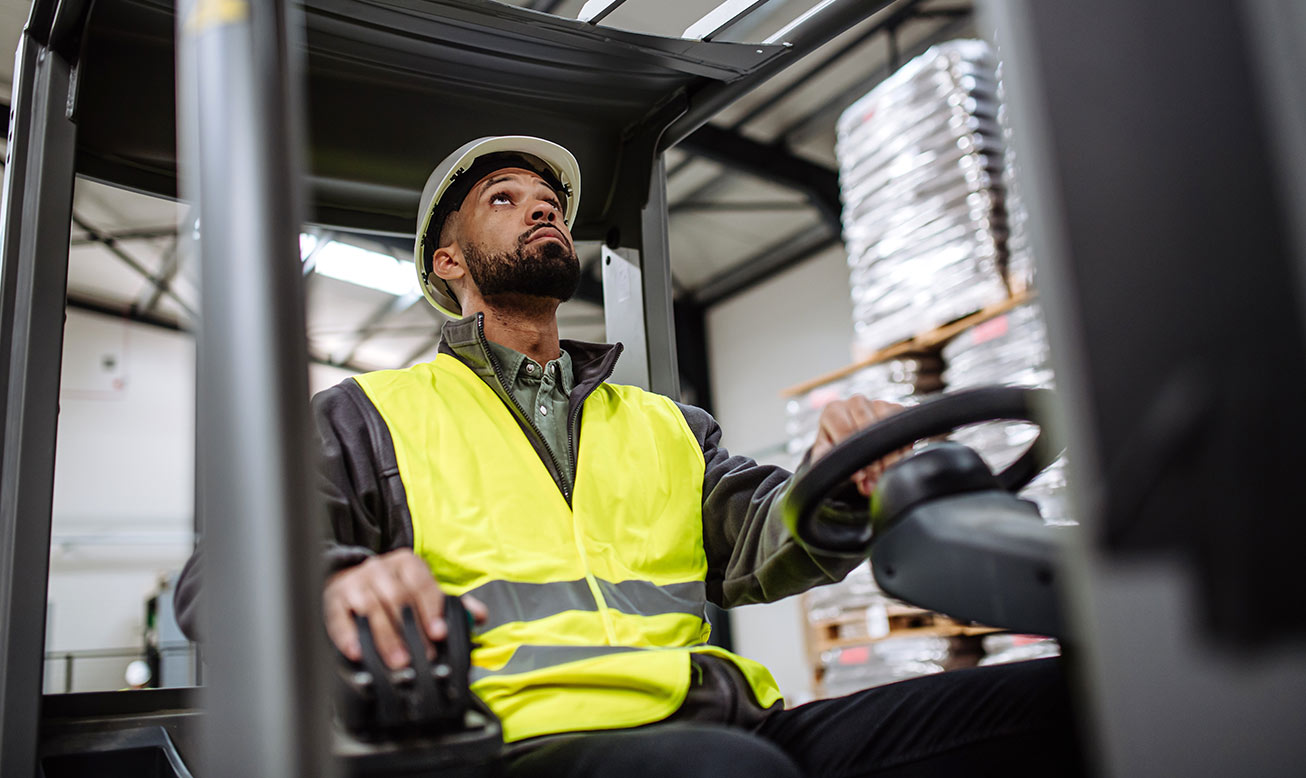
- Vetting and qualifying transportation partners
- Monitoring delivery performance and compliance
- Managing exceptions and delays
- Maintaining cost control
- Protecting freight through proven loss prevention practices
Our model allows your business to scale without sacrificing control. Instead of juggling multiple vendor relationships, your company will work with a single partner that manages the entire process.
5. Why Vendorship Business Models Deliver Better Results
The vendorship business model is built on accountability and long-term performance, not transactional volume. In this structure:
- Vendors are selected based on reliability, not price alone
- Performance is continuously evaluated
- Relationships are built for consistency, not convenience
- Standards are enforced across the network
This approach reduces variability, improves service quality, and strengthens supply chain resilience. It also allows companies to respond faster to market changes without sacrificing reliability.
6. Loss Prevention Starts With Vendor Selection
Loss prevention is not reactive. It begins long before freight is in motion.
An experienced logistics partner focuses on:
- Vetting carriers with proven security records
- Monitoring handling procedures
- Ensuring chain-of-custody visibility
- Reducing touchpoints that increase risk
Loss prevention is not only about theft. It includes damage reduction, proper documentation, accurate scheduling, and clear accountability. A strong vendor network minimizes exposure and protects both cargo and reputation.
7. The Importance of Vendor Accountability in the Supply Chain
Every vendor in the supply chain affects performance. Without accountability, small issues quickly become costly problems.
Strong vendor oversight includes:
- Defined performance benchmarks
- Ongoing communication
- Clear escalation paths
- Measurable service standards
This structure ensures that vendors understand expectations and remain aligned with business goals. It also allows logistics partners to resolve issues quickly before they affect delivery timelines.
8. How Supply Chain Vendors Impact Cost Control
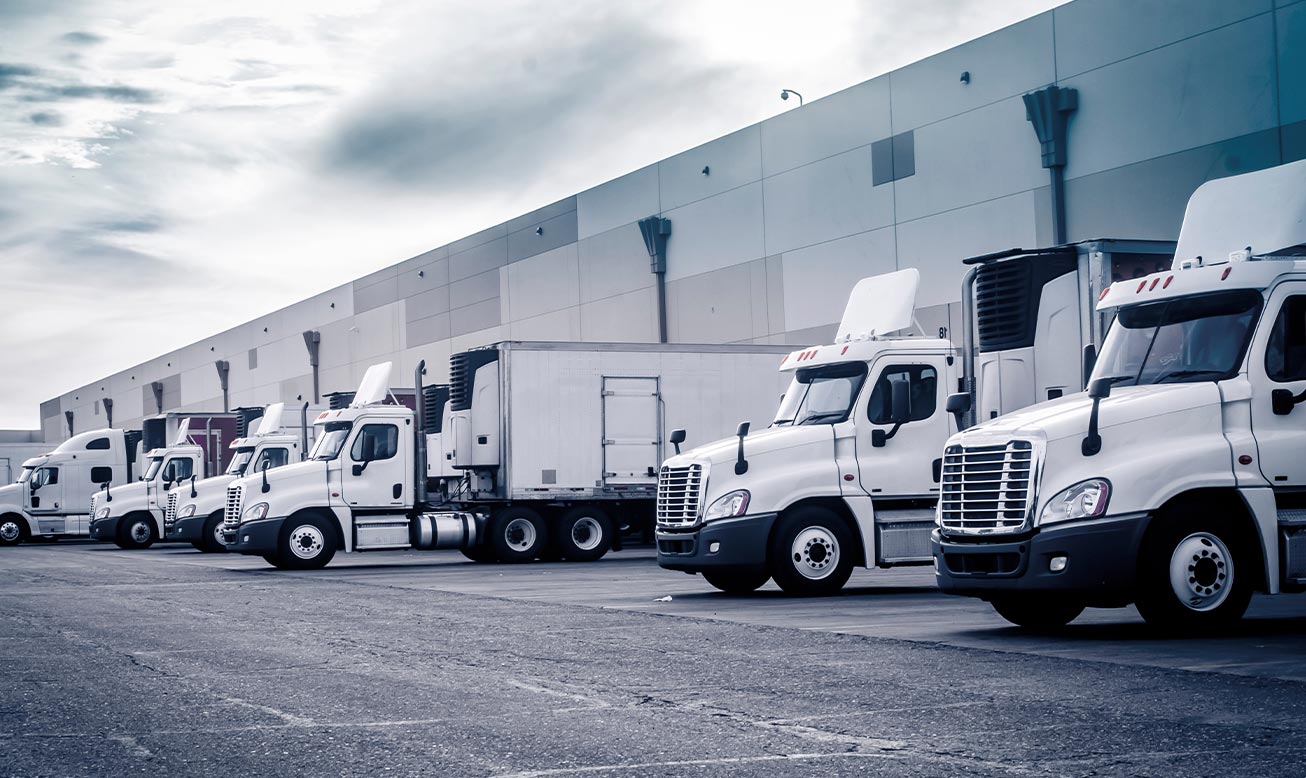
- Missed deliveries
- Emergency rescheduling
- Increased labor costs
- Lost or damaged freight
Experienced logistics partners reduce these risks through proactive planning and consistent oversight. Well-managed supply chain vendors help stabilize costs and improve operational efficiency without sacrificing service quality.
9. Why Vendor Businesses Perform Better With a Centralized Partner
Many organizations struggle because vendor relationships are scattered across departments. A centralized approach creates clarity and control.
Working with a single logistics partner allows companies to:
- Consolidate communication
- Improve visibility
- Reduce administrative workload
- Improve vendor accountability
Last Mile Logistics’ model also supports growth, allowing businesses to scale operations without adding unnecessary complexity.
10. Better Vendor Management Leads to Better Business Outcomes
- Fewer disruptions
- Stronger loss prevention
- Improved delivery consistency
- Lower operational risk
- Greater supply chain reliability
For B2B organizations, this translates directly into improved customer satisfaction and stronger long-term performance.
Vendor Relationships Handled Correctly
Strong logistics operations are built on strong vendor relationships. Effective vendor management in supply chain environments requires experience, structure, and constant oversight. From evaluating vendor businesses to maintaining loss prevention standards, every detail matters.
Last Mile Logistics brings the experience, network, and systems needed to manage vendors efficiently while protecting freight and improving performance. When vendor relationships are handled correctly, the entire supply chain becomes more reliable, more efficient, and better positioned for growth.
Better vendors lead to a better supply chain. And a better supply chain leads to better business.