November 26, 2025
World Sustainable Transport Day
Observed every year on November 26, World Sustainable Transport Day is more than a date on the calendar. It is a timely reminder of the importance of transportation in modern commerce and how the logistics sector can support environmental goals through more innovative, greener strategies. For those of us working as experienced non-asset-based carriers in the B2B sector, this day highlights opportunities to improve supply chain performance, boost loss prevention, and support companies that want to make responsible decisions without compromising service.
The United Nations established the day to raise global awareness of sustainable transport management and to highlight its role in economic development, social well-being, and cleaner communities. As conversations about emissions, efficiency, and supply chain resilience continue evolving, this observance pushes the logistics industry to evaluate how we can meaningfully support environmentally friendly transport without overstating claims or promising technology that is still in transition.
Why Sustainable Transport Management Matters
Transportation accounts for roughly one quarter of global energy-related carbon emissions, according to data from the International Energy Agency. This makes it a sector with significant impact and, therefore, a substantial opportunity. As partners supporting shippers across several industries, we see firsthand how companies are placing higher value on the benefits of sustainable transportation, not only for environmental reasons but because it strengthens operations.
Here are some of the most relevant advantages that businesses recognize:
Reduced environmental impact – Cleaner options, even when partially adopted, help reduce emissions and improve air quality in regions with high freight volumes.
Better fuel efficiency and cost control – Optimized modes, improved consolidation, and smarter scheduling often reduce waste and lower total spend.
A stronger public image – Buyers pay attention to how companies move freight. Brands that demonstrate genuine efforts toward sustainability tend to earn greater trust.
Regulatory readiness – Many states and countries continue expanding environmental regulations. Early adoption of sustainable practices helps businesses stay ahead of compliance changes.
Healthier communities – Less noise, fewer fumes, and a focus on efficiency all support safer, cleaner cities, especially during last-mile activity.
As a non-asset-based carrier, we see sustainability not as a single technology or vehicle type, but as a combination of strategic decisions across the whole supply chain.

How a Non-Asset-Based Model Supports Greener Transport Solutions
Because we do not own fleets, we are able to work with a broad network of approved carriers and assess real-time availability for greener transport solutions. This flexibility allows clients to benefit from sustainable practices without being limited to a single asset type or region.
Through careful carrier selection, shipment pairing, improved route efficiency, and strong consolidation strategies, we help businesses reduce unnecessary miles, control fuel usage, and cut avoidable emissions. Most importantly, we apply our loss prevention expertise to ensure that environmentally minded decisions never compromise cargo security, shipment integrity, or on-time performance.
The non-asset-based model gives shippers access to:
- 1Wider modal choices, including carriers investing in sustainable vehicles such as electric delivery vans, hybrid units, and lower-emission truck options when available.
- 2Reliable contingency support during seasonal or unexpected demand shifts.
- 3Optimized load planning that reduces partially filled trucks, which remains one of the most efficient forms of environmental improvement.
- 4Advanced tracking and monitoring that increases transparency and reduces risk.
Important Disclaimer
Because sustainable fleets continue to expand at different rates depending on region, carrier size, and infrastructure, Last Mile Logistics cannot guarantee that all shipments will use green or electric equipment. However, our commitment is firm: we consistently prioritize eco-friendly transport options when they are available, feasible, and compliant with safety and loss prevention requirements. Every recommendation is guided by data, operational integrity, and what is best for the customer and the shipment.
Eco-Friendly Transport in the Last Mile and Beyond
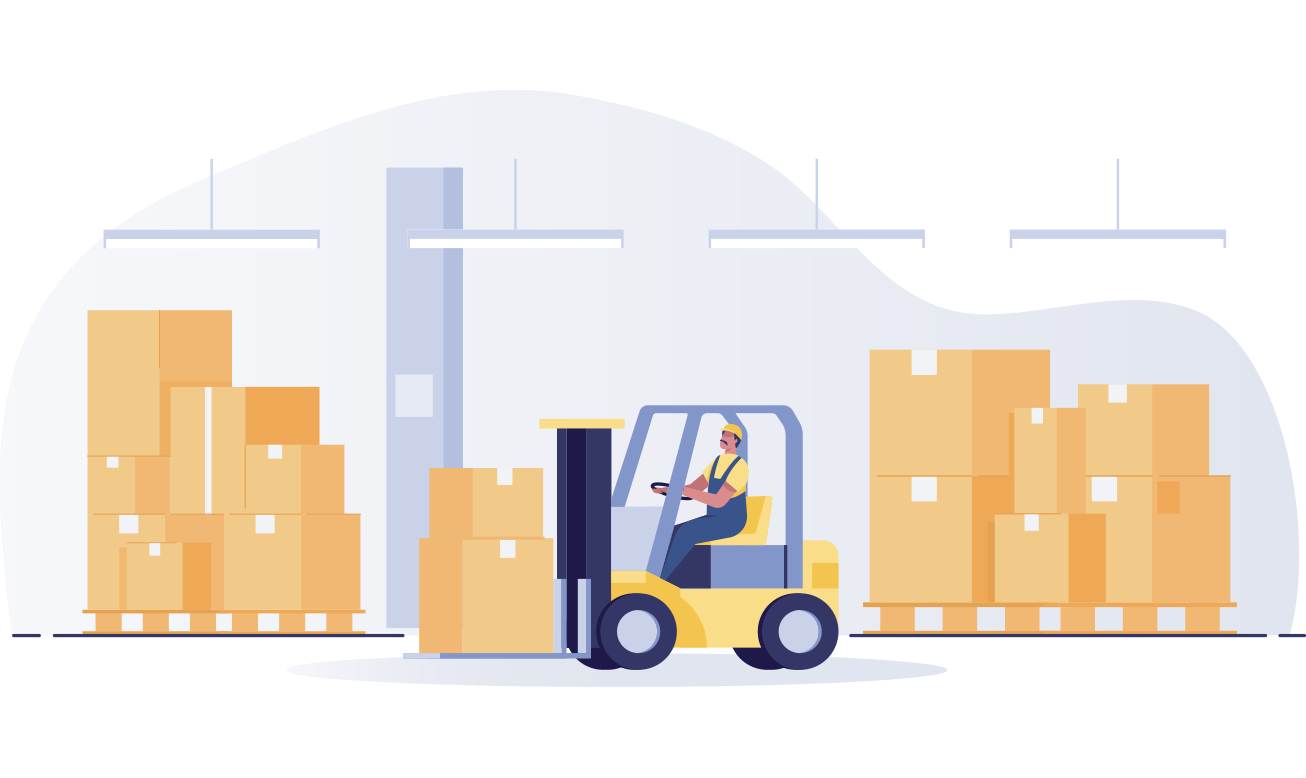
The final stretch of a delivery is often the most challenging and most fuel-intensive. Last-mile trips involve constant stopping, idling, and dense traffic. For this reason, many shippers see the last mile as a strong starting point for sustainability changes.
Common strategies include:
- Electric and hybrid vehicles for short-range urban deliveries.
- Micro-hubs and smaller decentralized storage points that shorten delivery distances.
- Optimized scheduling that groups deliveries more efficiently to reduce mileage and wasted fuel.
Our role is to match the right carrier, the right zone, and the right timing to make these methods work without risking delivery accuracy. When used effectively, these practices support cleaner communities and help companies demonstrate genuine environmental responsibility.
Sustainable Vehicles and the Road Ahead
Electric vans, hybrid trucks, and hydrogen concepts often appear in the headlines. While adoption is increasing, particularly in urban markets, the industry is still balancing cost, infrastructure access, and operational range.
That said, meaningful progress continues:
- 1Electric trucks and vans are now more practical for short-haul and regional deliveries, especially near reliable charging infrastructure.
- 2Hybrid vehicles provide measurable emissions reduction without range limitations.
- 3Shared fleet strategies reduce empty miles and keep equipment utilization high, a natural advantage of the non-asset-based model.
By working with a wide pool of carriers, we help clients access these options where they already exist and position them to benefit as availability expands.

Why Sustainable Transport Strengthens Loss Prevention
For us, sustainability and security go hand in hand. Loss prevention expertise is a core part of our service, and greener strategies can support it. Efficient routing reduces inactive time in unsecured areas. Better load planning minimizes touchpoints. Stronger visibility tools improve chain-of-custody records. When shipments move with fewer delays and fewer unnecessary miles, risk decreases.
This dual focus allows our clients to improve environmental performance without exposing their freight to avoidable vulnerabilities.
A More Sustainable Logistics Future
World Sustainable Transport Day encourages businesses to consider their long-term impact on both the environment and the supply chains they rely on. With the right guidance, companies can take practical, meaningful steps toward greener operations.
At Last Mile Logistics, we stand ready to support your transition with responsible planning, reliable carriers, and proven loss prevention practices. Sustainable improvement is not accomplished in one move. It is achieved through consistent, data-driven decisions that benefit both your operation and our shared environment.
If you would like help assessing greener opportunities within your transportation program, Arnie is here to support the process with clarity, honesty, and a commitment to long-term results.