How Much Can Logistics Change in The Near Future?
The logistics industry is evolving to meet digital demands. Adapting to these changes is necessary to compete and thrive.
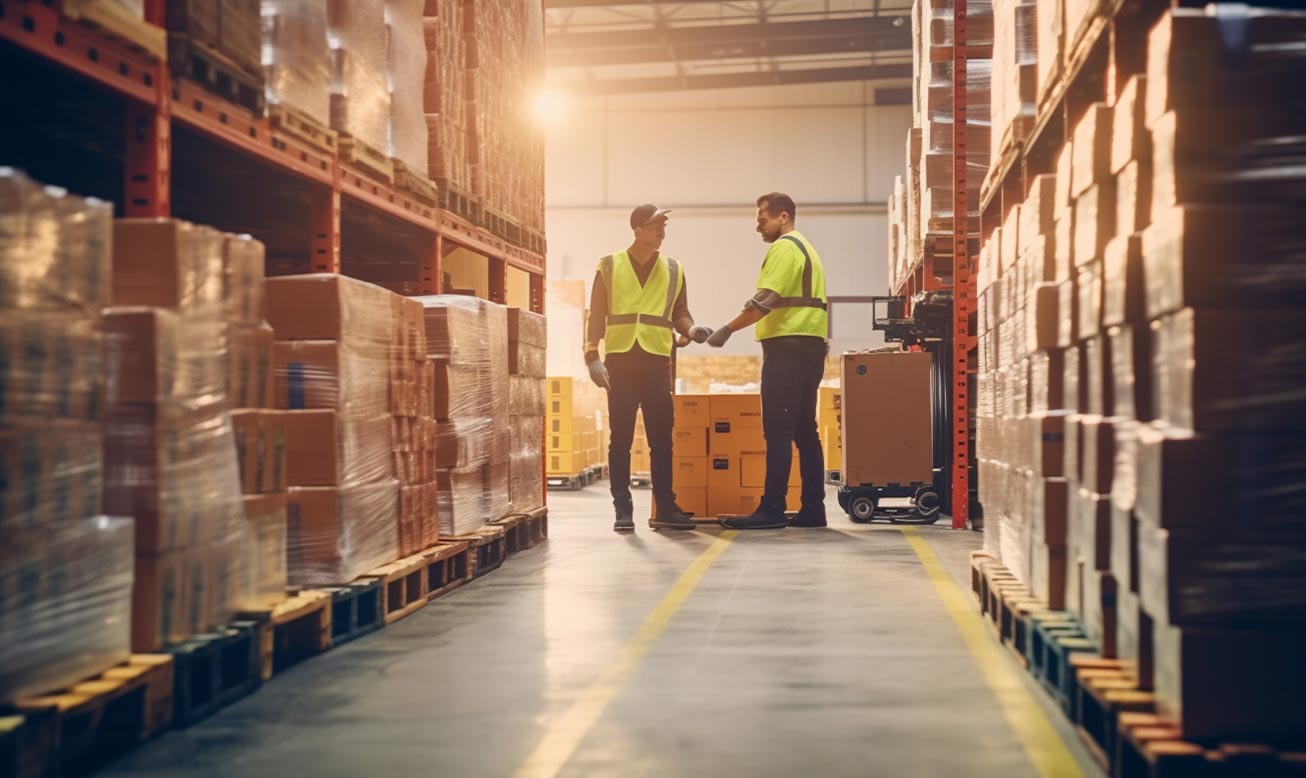
The logistics industry is evolving to meet digital demands. Adapting to these changes is necessary to compete and thrive.
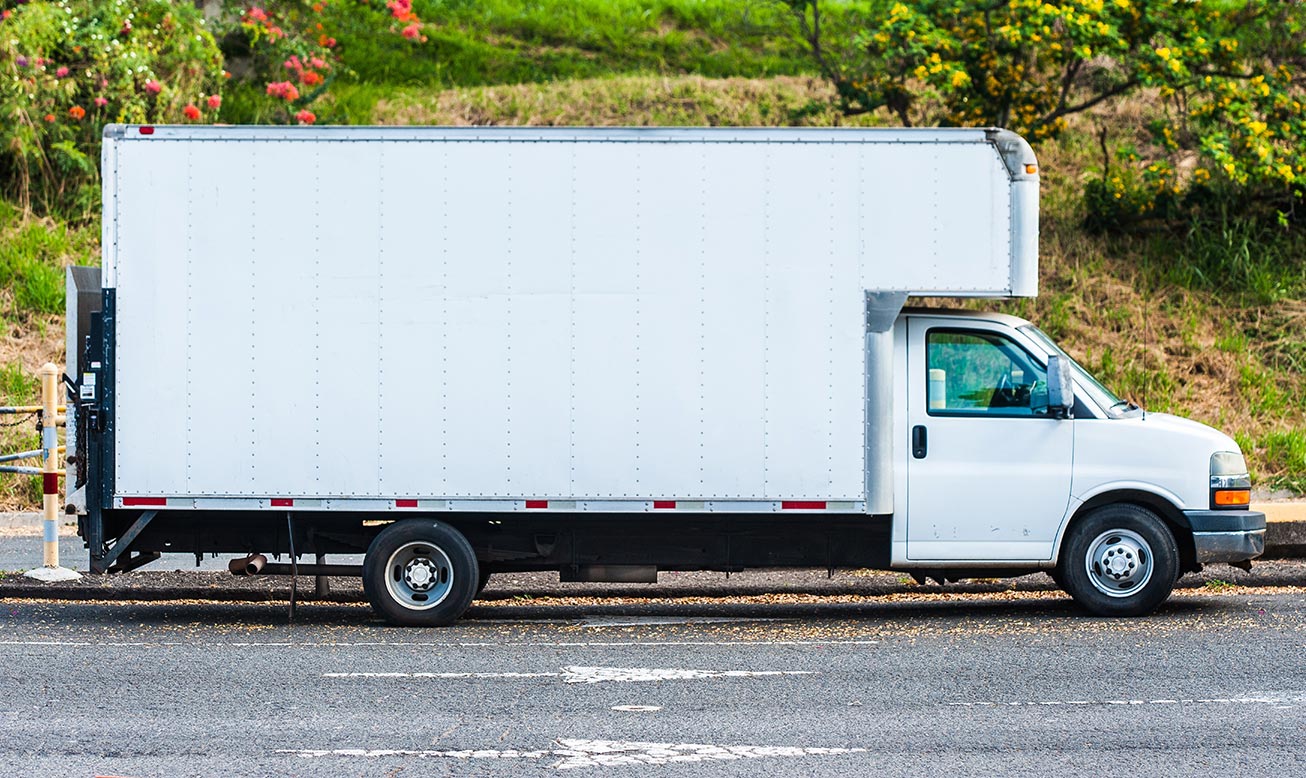
Ensuring the smooth operation of last-mile B2B deliveries is necessary for maintaining customer satisfaction, reducing costs, and preventing supply chain disruptions.
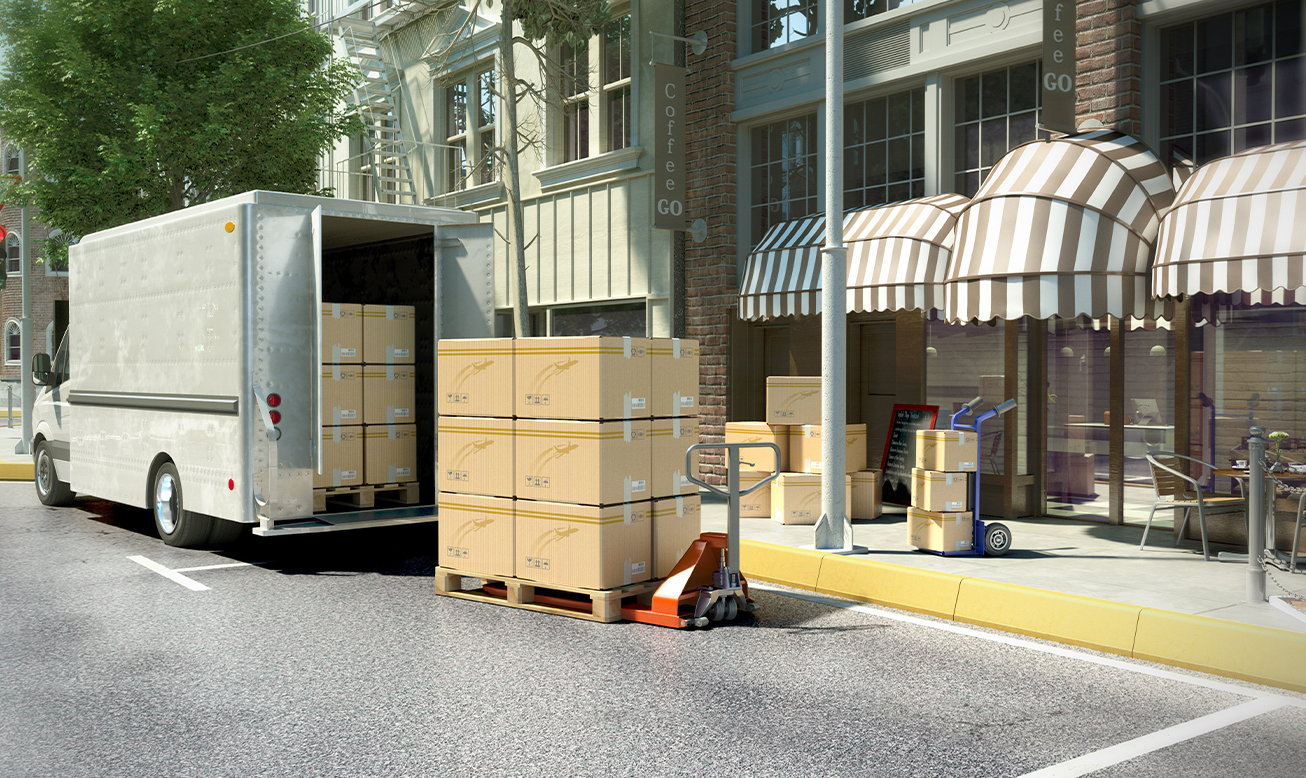
Like how businesses prioritize end-consumer satisfaction, the same level of dedication should be given to partners in the B2B domain.
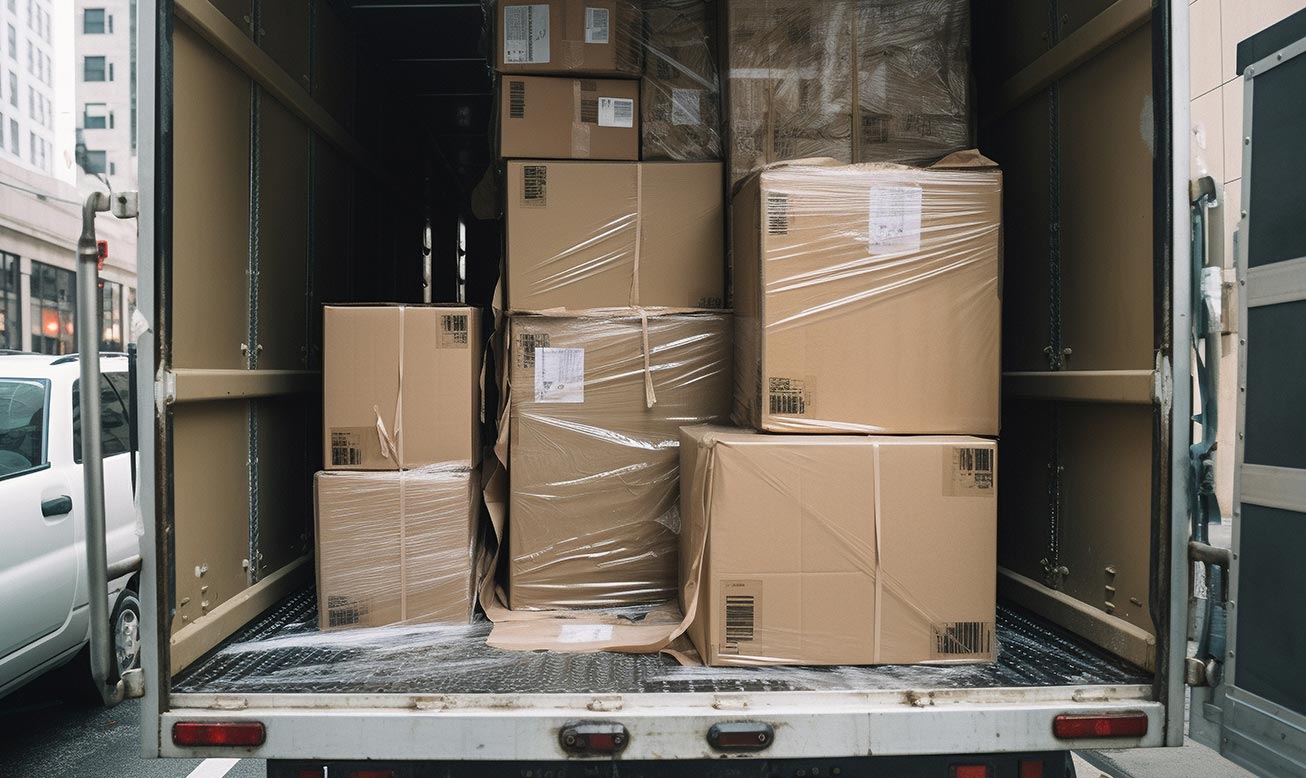
Double brokering is a practice when a carrier agrees to transport a shipment or load from a freight broker and then contracts another carrier to handle it.
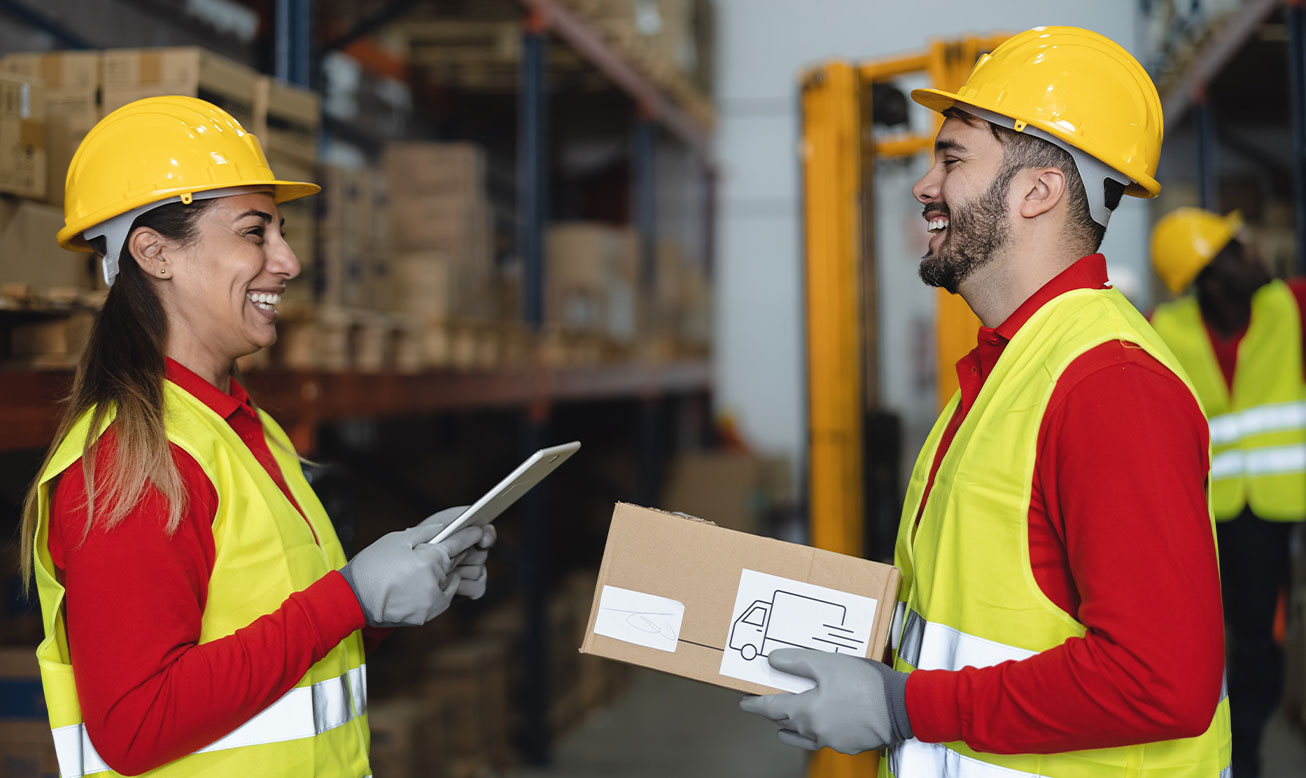
As more and more logistics companies adopt new technologies, implementing personalized digital solutions in supply chain operations becomes a game-changer.
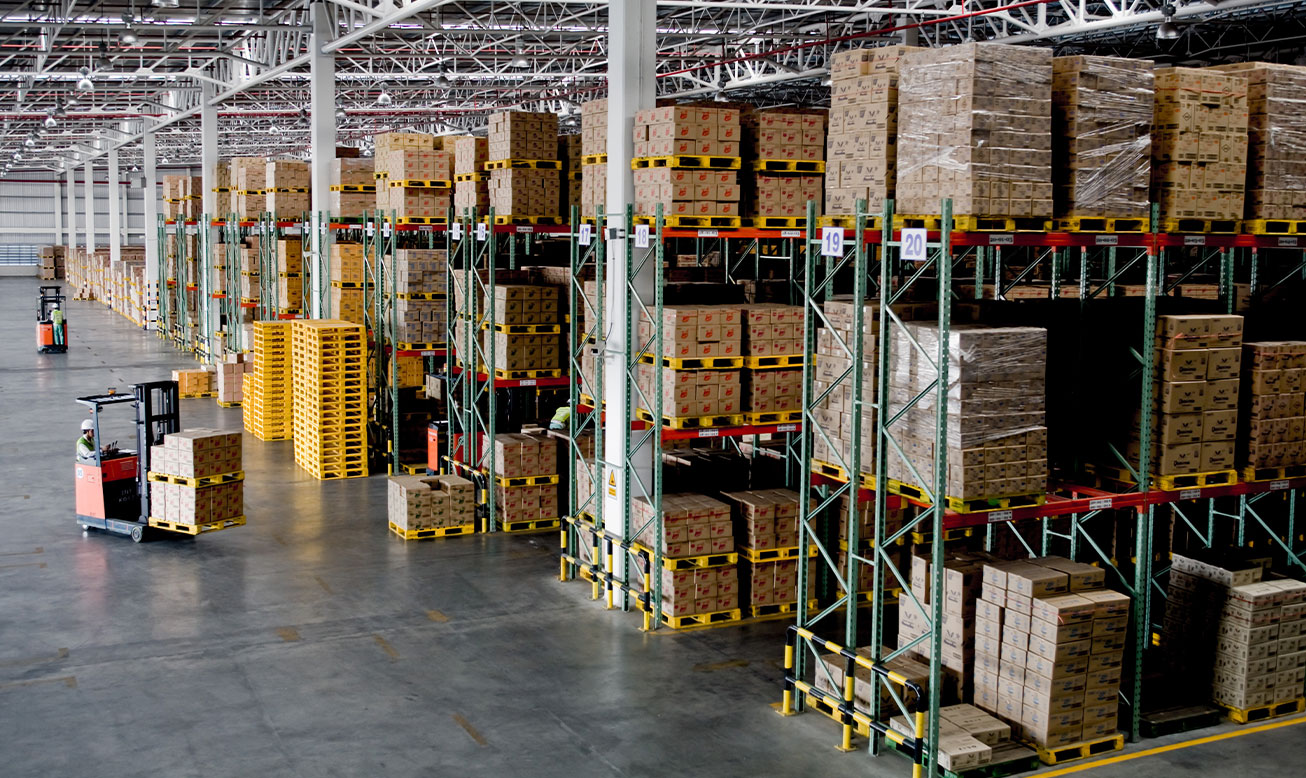
Today, more businesses are moving freight through pool distribution in several innovative ways to gain a competitive advantage in their sectors.
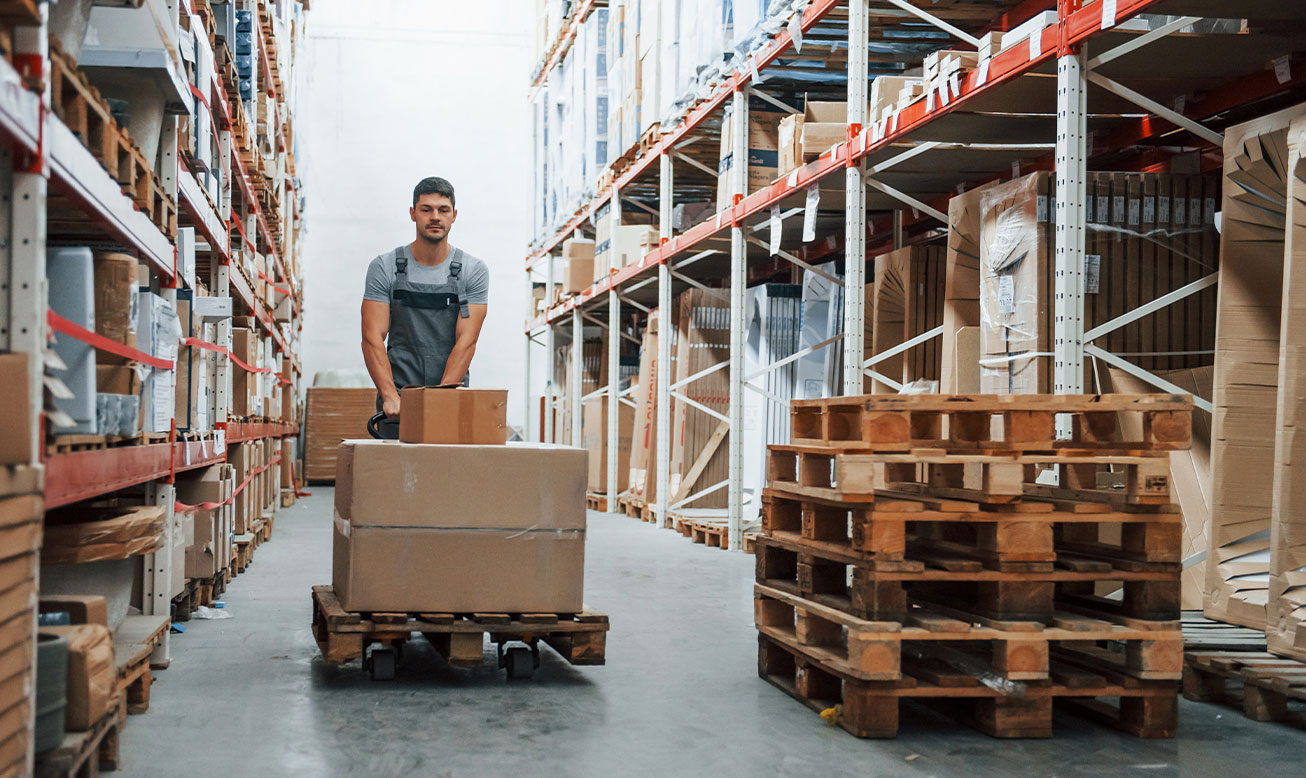
As the needs of a shipping company in the U.S. shift, non-asset-based carriers will adopt new strategies to remain competitive.
If you work alongside a non-asset-based 3PL company, the two parties will tailor a custom logistics plan that fits your business’s needs.
With a non-asset 3PL, you can access a better rate because it is in the carrier's best interest to monitor the accuracy of your operations.
Logistics outsourcing means partnering with professionals to focus on sales, growth, and quality service.